
Predictable quality is a business matter
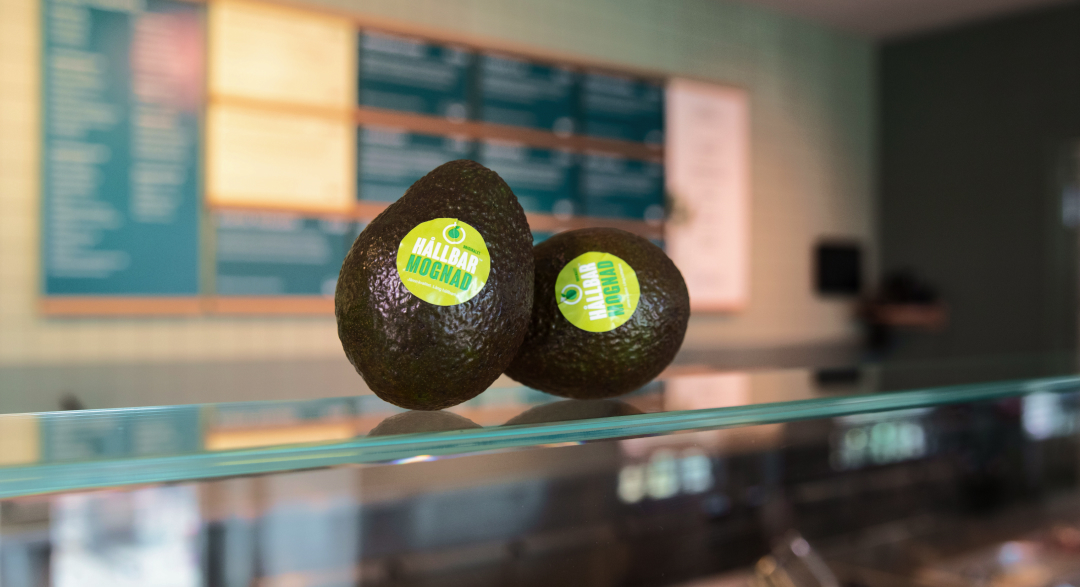
When sustainability is discussed in the food industry, the conversation often revolves around transportation, energy, and packaging.
However, for restaurants, large-scale kitchens, and catering businesses, inconsistent quality leads to waste, additional handling, and inefficient resource utilization.
Variations in quality, shelf life, and ripeness are something many reluctantly accept.
But every deviation requires resources to manage, and problems arise throughout the entire chain. When fruit is delivered with inconsistent ripeness, products must be sorted out, menus need to be adjusted, and raw ingredients risk being discarded because they cannot be used.
The problem isn't just waste. The problem is that the entire system becomes less efficient.
Uncertainty requires more resources
For professional operators in the restaurant industry, predictability is essential for efficient business planning.
When raw ingredients vary from one delivery to the next, this uncertainty must be compensated for elsewhere. Often through larger inventories, more frequent purchasing, or a higher tolerance for spoilage.
This ties up capital, increases workload, and in many cases, leads to more food being lost.
The less variation, the fewer resources need to be allocated to manage risk.
The most sustainable raw ingredient is the one that is fully utilized
When a product is discarded, more is lost than just the raw ingredient itself.
In such cases, the resources behind the product have also been used unnecessarily. Land, water, energy, transportation, and labor have already been invested.
Therefore, sustainability isn't just about how a product is produced.
It's also about how much of the product is actually used.
Every percentage point saved from waste improves resource efficiency throughout the entire value chain.
Quality is essentially control
Many describe quality as a result; for us, quality is just as much about control.
When the ripening process can be controlled with high precision, it creates the conditions for more consistent quality, longer shelf life, and greater predictability. This gives businesses better opportunities to plan, use their resources efficiently, and reduce unnecessary waste.
It's not just good for business.
It's also an important part of a more sustainable food system.
From Variation to Value
Sustainability is fundamentally about getting more value from the resources already in use. That's why we see stable quality as more than just a quality issue; we see it as a sustainability issue.
Because when variation decreases, the result is not only more efficient resource utilization, but also reduced costs and increased profitability.
And that's where true sustainability begins.