
Two kiwis before bed can make more of a difference than you think
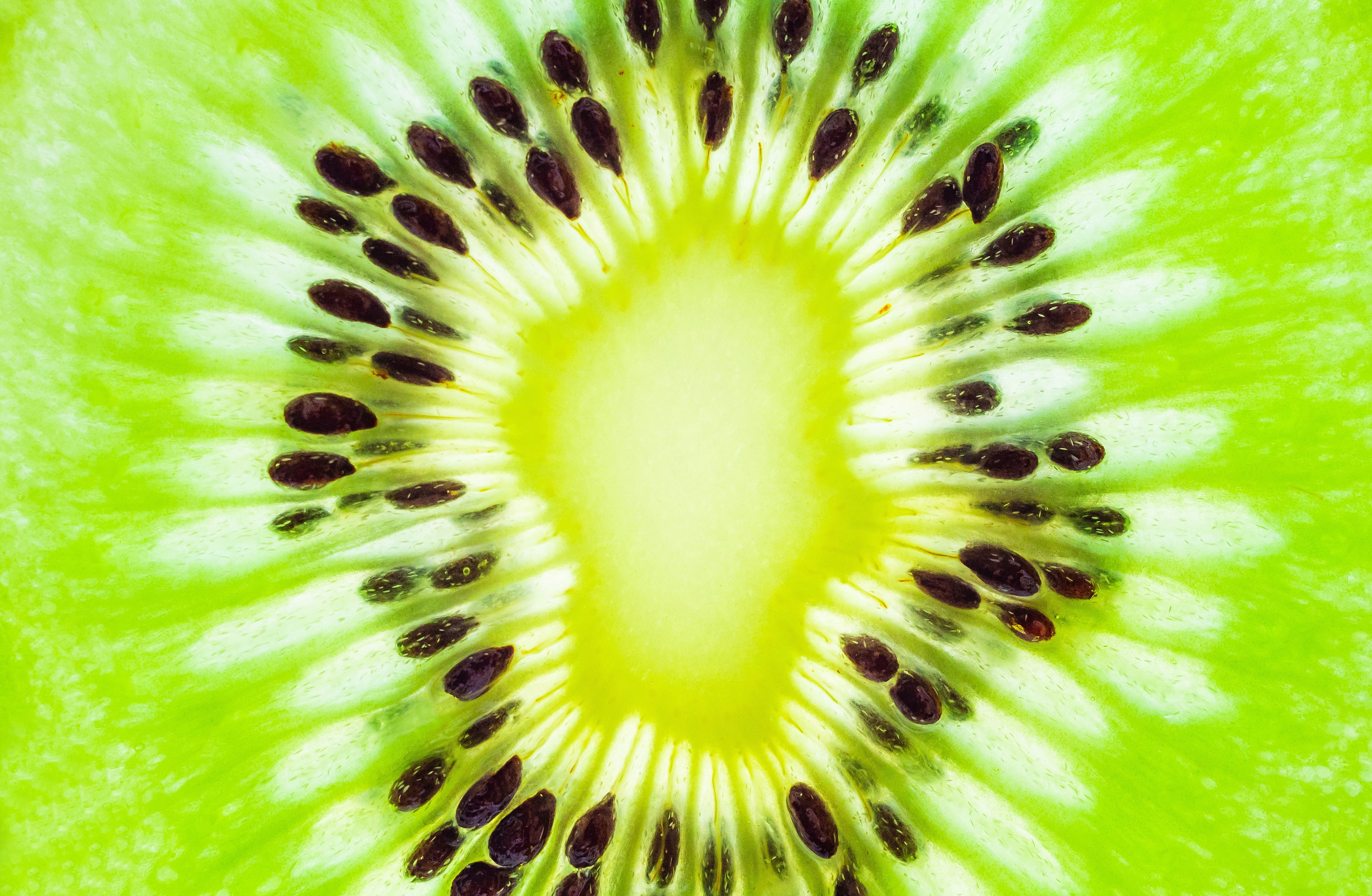
It’s late. You’ve closed down the day, but your body hasn’t quite received the same signal. Your thoughts are still moving a little too fast. For many, evenings often look like this.
At the same time, there’s a simple habit that can help you fall asleep more easily and sleep better: eating kiwi before bed.
Better sleep through a simple habit has been studied
In one study, participants were asked to eat two kiwis one hour before bedtime over several weeks. The results were clear enough to draw attention. They fell asleep faster, slept longer, and experienced more consistent sleep.
Kiwi contains natural serotonin, along with antioxidants and folate—compounds that are all, in different ways, linked to how the body winds down and recovers. None of this is new in itself. What’s interesting is how it works together, in something as everyday as a fruit.
And perhaps even more so—how easy it is to actually turn into a habit.
The crucial detail that’s rarely mentioned
But there’s a detail here that’s often overlooked. It has to taste good and be predictable for a habit to stick.
A kiwi that’s too firm tends to be left uneaten. One that’s too soft can feel tired, almost past its best.
It’s in the middle that something happens. When the fruit offers slight resistance yet remains soft, when the sweetness has rounded out and the acidity is still present. That’s when no effort is required.
You eat it because you want to. And that’s exactly where habits start to last.
Even the simple needs to work
In practice, this is often where habits fall apart. It only takes a few poor experiences for the habit to slip away.
This is also where ripeness comes in. At Swedlog, we work to guide ripening by giving it the right conditions. The difference isn’t visible in the technology. It’s felt in the consistency.
A kiwi that’s ready when you are. That tastes the way you expect. And makes it easy to keep the habit going.