
What Is a Piece of Fruit Really Worth?
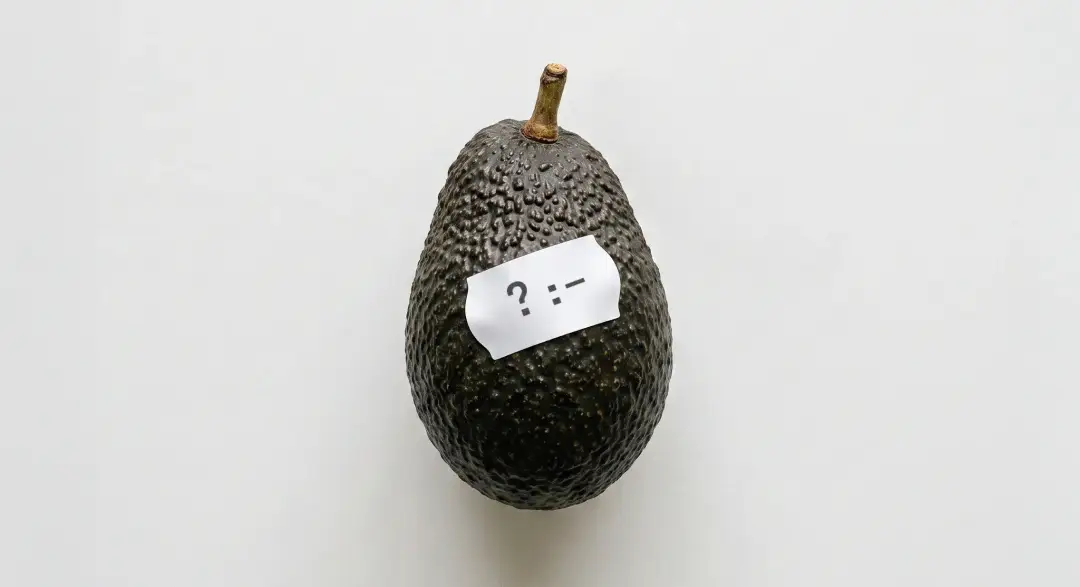
What does fruit cost? It’s the obvious question behind every purchasing decision. But perhaps it’s also the wrong one.
In fresh produce, profitability is rarely determined when the order is placed. It’s determined when the last piece of fruit either passes through the checkout—or ends up in the waste bin.
That makes purchase price a far weaker performance metric than many are willing to admit.
Two shipments may carry exactly the same price per kilogram and still produce entirely different business outcomes. One requires markdowns after just a few days. The other maintains its quality throughout the entire sales window. On the invoice, they look identical. On the profit and loss statement, they do not.
That is why more and more businesses are beginning to think in terms of value per fruit sold rather than cost per kilogram. The distinction may sound semantic, but in reality, it is strategic.
A New Perspective on Quality
When the focus shifts from purchase price to sell-through, the definition of quality changes as well.
Quality is no longer just about appearance or taste. It is about predictability. How long the fruit maintains its quality. How consistently it ripens. How well it performs throughout the logistics chain.
Ultimately, it is about how much of the purchased volume actually reaches the consumer.
This is where sustainability and profitability converge.
Not because sustainability has become a business objective in itself, but because efficient use of resources also creates a more efficient commercial operation. Every piece of fruit that is sold instead of discarded improves margins while simultaneously reducing climate impact. The same event creates two positive outcomes.
This is also where many discussions about food waste become misleading.
We often talk about waste as a problem in the store. But waste is rarely the root cause. It is the symptom—the outcome of everything that happened earlier in the supply chain. From how the fruit was handled after harvest to how precisely the ripening process was managed.
The real question, therefore, is not how much waste is generated.
The real question is how much of the fruit we’ve already invested in actually creates value.
Because the most profitable fruit is rarely the cheapest.
It’s the one that gets sold.