
What you don’t hear from your guests costs more than you think
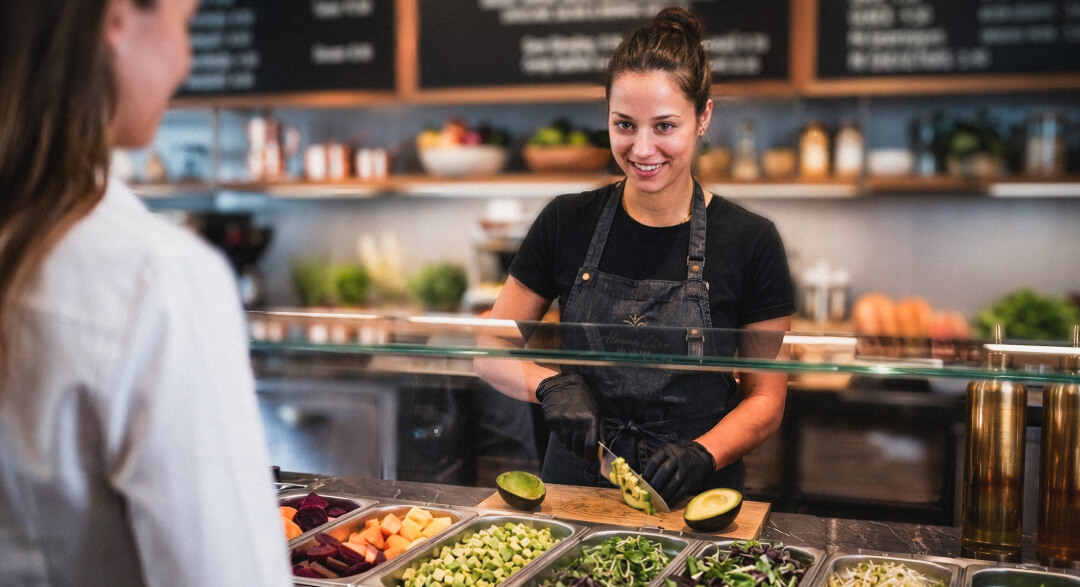
A dissatisfied guest rarely complains in the restaurant. They talk about it at home, on Google, or with friends. And a disappointing dish often comes down to one thing: an ingredient that failed to deliver.
The restaurant industry is built on details. Every dish is the result of hundreds of decisions — from menu design and interiors to kitchen equipment, staffing, and operational routines.
One segment within foodservice is especially exposed: high-volume, fast-paced operations with rapid turnover. Yet even there, tolerance for inconsistency remains low. Guests form their opinion within seconds. The plate determines whether they come back.
The ingredient is not a detail
In a kitchen serving hundreds of covers during lunch, ingredient quality is a matter of operational stability. Yet it remains one of the areas where the industry has long accepted unnecessary variation as unavoidable. Especially when it comes to ingredients we have learned not to fully trust.
We are, of course, talking about avocados. Traditionally ripened avocados.
If they arrive too firm, they are unusable in the moment. If they arrive overripe, they create waste, extra handling, and dishes that do not hold up throughout service. The result is additional work no one planned for — a cost that rarely appears as a single line item in the accounts, yet is constantly present.
Many kitchens deal with it by manually inspecting every piece of fruit, day after day. Time taken from something else. And even then, mistakes still happen.
What the guest actually experiences
The guest does not know what went wrong. They only know the dish did not meet expectations. The avocado was brown. The flavor was missing.
They may not say anything, but they leave ratings, share their experience, and choose something else next time.
That is where ingredient quality becomes a customer loyalty issue.
The value of predictability
Swedlog’s ready-to-eat avocados are delivered at the optimal stage of ripeness and maintain their quality for up to twice as long as conventionally handled fruit. That changes several things at once.
Waste is reduced immediately. For kitchens using avocados daily, the cost difference becomes measurable every single week.
The kitchen saves time. No manual sorting. No uncertainty before service. The fruit is ready to use, with consistent quality throughout. Ready-to-eat upon delivery — and still ready-to-eat ten days later. When refrigerated, shelf life is in fact even longer than we usually claim.
Consistency on the plate improves. When the avocado is always at the right stage of ripeness, the dish looks and performs the same regardless of the day, the chef, or the pace of service. That kind of consistency builds guest trust over time. It also removes a limitation that may otherwise hold you back from developing more dishes around avocado as an ingredient.
Ordering becomes easier. Longer shelf life creates greater flexibility in both order frequency and volume. Fewer urgent replenishments, better planning, and less capital tied up in inventory.
Foodservice is about delivering the right experience every day, regardless of pressure. That requires ingredients that behave predictably.
Learn more about how we work with sustainable ripening here https://www.swedlog.se/hallbarhet