
Every kilogram counts — food waste as a hidden climate challenge
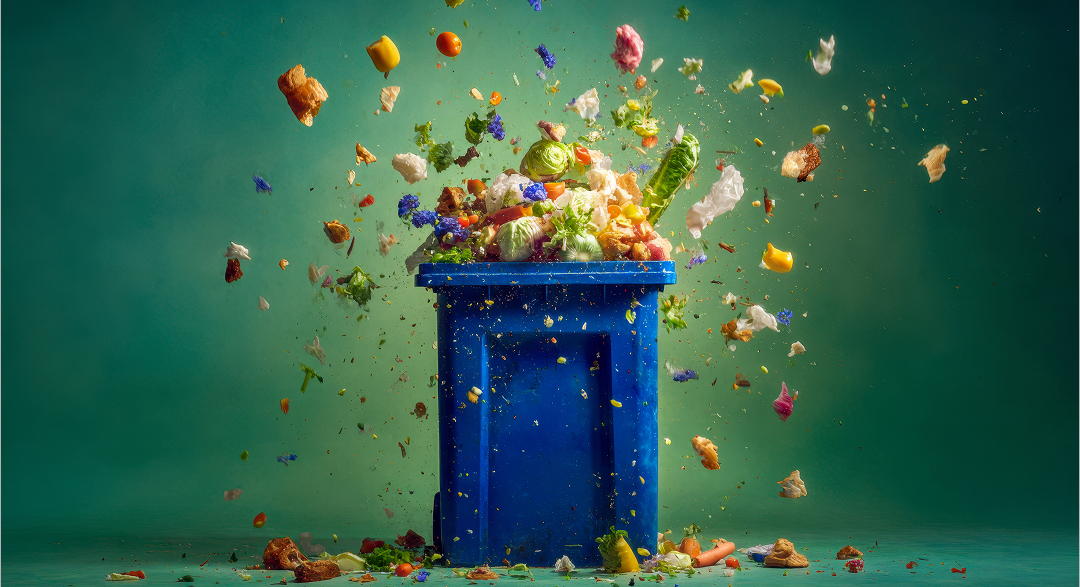
Food waste is one of the largest sustainability challenges in today’s food system. According to the United Nations, around one third of all food produced globally is lost or wasted before it reaches our plates (UNEP; FAO). This means land, water, energy and labour are used without creating value — while millions of people continue to live in food insecurity.
In Sweden, approximately 1.3 million tonnes of food waste are generated every year. Households account for the largest share: about 60 kg of solid food waste per person, of which around 16 kg is perfectly edible food (Swedish Environmental Protection Agency, 2024). Retailers, restaurants and producers also contribute — though to a lesser extent.
Food waste has different causes at different stages
- In production and transport: broken cold chains, physical damage and variable quality
- In retail: products that ripen too quickly, reach their best-before date, or lack consistent quality
- In households: unplanned purchases, unclear date labelling and food being forgotten
Fruit and vegetables are particularly exposed. They account for around one third of food waste in Swedish grocery retail (Swedish Environmental Protection Agency). Their short shelf life, sensitivity to temperature and natural variation in ripeness make them especially vulnerable.
Consequences — and opportunities
Globally, food waste accounts for 8–10% of greenhouse gas emissions (UNEP). This means that reducing food waste is one of the most resource-efficient climate actions available.
At the same time, technological and logistical innovations open up new ways to protect quality, reduce losses and use food more intelligently.
Part of the solution: longer shelf life and consistent quality
A key piece of the puzzle in reducing food waste is extending the shelf life of fresh produce — especially fruit — and ensuring consistent, predictable quality throughout the value chain.
When fruit lasts longer, ripens in a controlled way and behaves consistently from batch to batch, the risk of it being discarded during transport, in retail or in consumers’ homes is significantly reduced.
Swedlog works with controlled ripening technology that recreates the fruit’s natural ripening process in a managed environment. By regulating temperature, humidity and gas levels, fruit can ripen more slowly, more evenly and with predictable quality. The result is extended shelf life and reduced waste at every stage of the value chain.